

Are your steel structures ageing faster than you think?
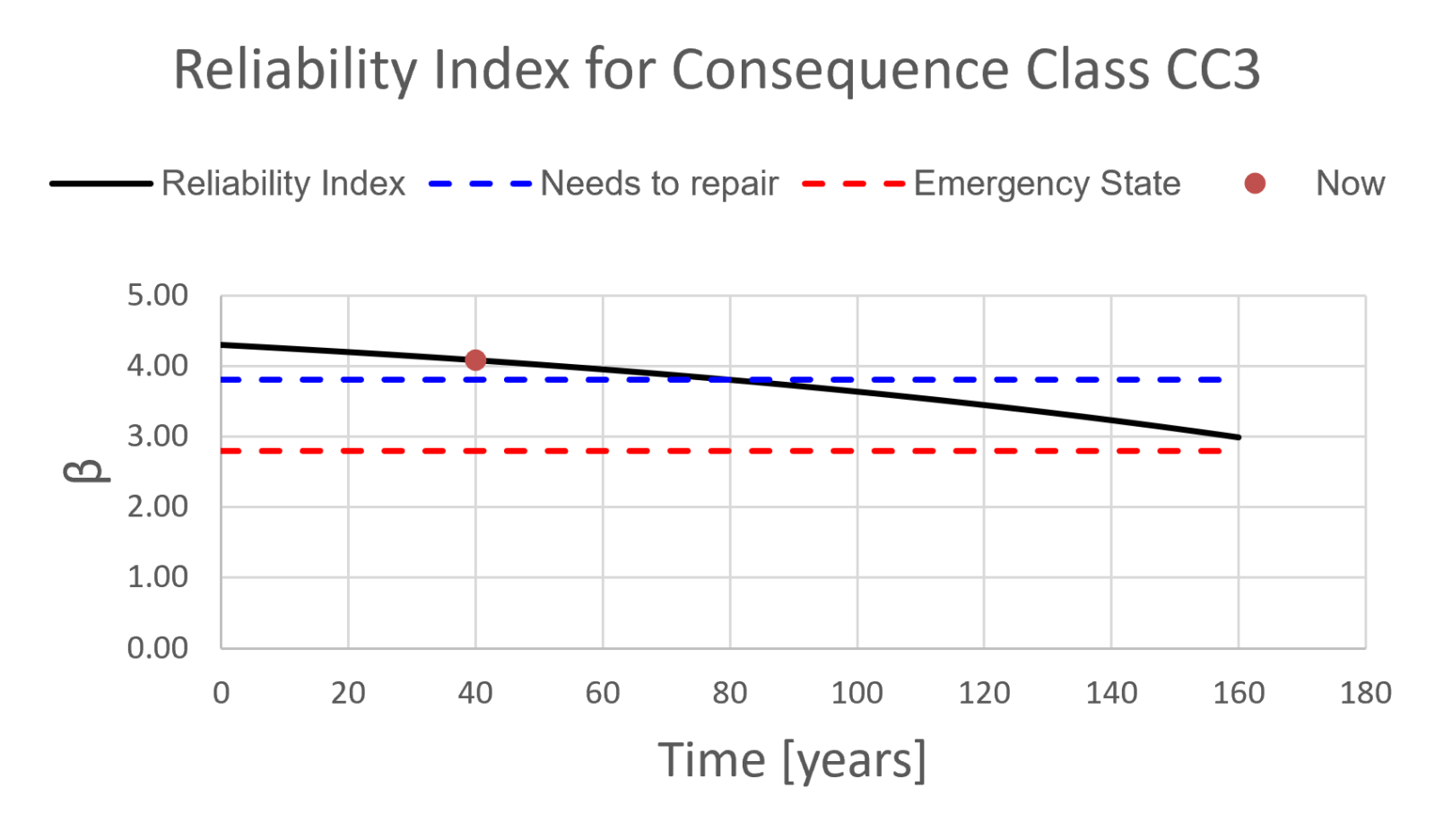
Corrosion is one of the most underestimated threats to the long-term integrity of mining and industrial infrastructure. Investmech recently conducted a consequence-class dependent reliability index driven (probabilistic) remaining life assessment on critical steel structures at a mine in South Africa that demonstrated how engineering data is used to transform maintenance from a reactive activity into a strategic asset management practice.
The study combined extensive field inspections and ultrasonic thickness measurements with probabilistic reliability modelling to evaluate the impact of corrosion-driven thickness loss on structural performance over a remaining 80-year assessment horizon. Fourteen structures showing measurable deterioration were assessed, ranging from headgears and winder buildings to process plant structures and conveyor systems.
The results were encouraging. Most critical structures are expected to remain serviceable for decades with appropriate corrosion monitoring and protection strategies. However, several high-risk assets were identified that already require intervention or are approaching critical reliability index limits, including structures in aggressive process environments such as CIP (carbon-in-pulp), leaching and acid plant areas.
The key lesson is clear: structural reliability does not fail overnight. It degrades gradually through predictable mechanisms that can be measured, modelled, and managed. By combining inspection data with structural integrity-based reliability engineering, organisations can prioritise maintenance spending, reduce unplanned downtime, improve safety, and extend asset life while avoiding unnecessary capital replacement.
As infrastructure continues to age across the mining and heavy industrial sectors, reliability-based remaining life assessments are becoming an essential decision-making tool for engineering managers and asset owners.
Good engineering is not just about designing assets. It’s about ensuring they remain safe, reliable, and productive throughout their life cycle.
Contact us for more information.
0 Comments